
The EU Is Turning Soil into Evidence
Last updated: February 2026
Adopted in 2025, the EU’s Soil Monitoring Directive brings soil into the Green Deal’s evidence infrastructure. Soil is no longer just environmental — it is measurable, comparable, and therefore governable.
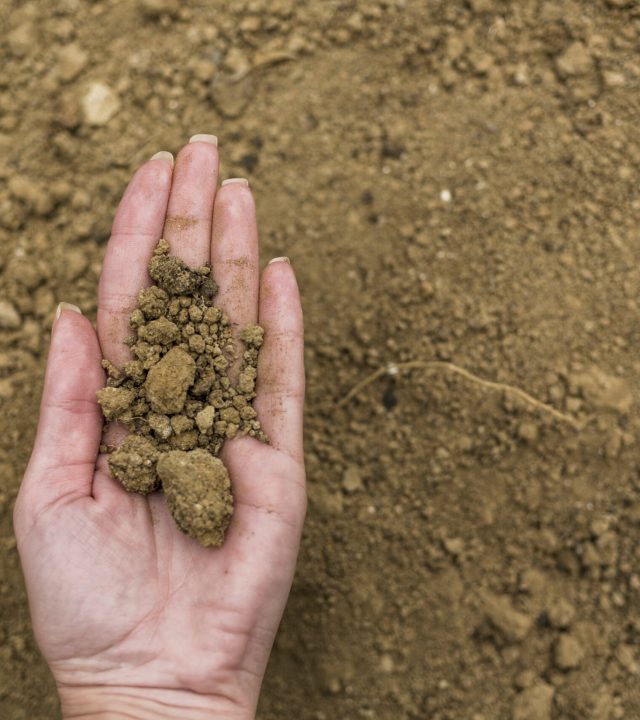
Standardising soil
The directive establishes harmonised rules for assessing soil health across indicators such as organic carbon, nutrients, erosion, contamination, salinisation, sealing and biodiversity. It was formally adopted by the Council following political agreement in 2024, as confirmed in the Council communication on the new soil rules, and published in the Official Journal as the EU’s first binding legal framework for soil monitoring and disclosure (Council Press Release).
Once something becomes standardized, it becomes comparable. Once comparable, it becomes governable.
Why measurement matters
Europe governs through evidence. Emissions, water quality and — increasingly — deforestation all followed the same sequence: measure → verify → disclose → comply → transact. Soil now joins that sequence, shifting it from an ecological category to a data category with regulatory consequences.
Mission pilots and the CAP connection
The directive aligns with the EU’s Mission Soil, which has been testing monitoring approaches, regional coordination models and data methods before EU-wide rollout (Mission Soil). Pilots show what works; directives decide what must work.
CAP is the policy domain most exposed to soil evidence. The shift of CAP payments toward eco-schemes and conditionality under the CAP Strategic Plans suggests that soil metrics could become relevant in future cycles (CAP Strategic Plans). Measurement doesn’t force that outcome, but it enables it. Nothing in the directive mandates soil-based payments, and debates inside CAP remain open.
Carbon, biodiversity and verification
Soil data also feeds into emerging frameworks for carbon removals and biodiversity credits. These depend on credible MRV — measurement, reporting and verification — and on certification mechanisms such as those developed under the EU’s carbon removal certification legislation, tracked through the European Parliament’s process. Without trusted soil data, these markets stay at pilot stage.
The new incentive map
Soil evidence reshapes responsibilities across the chain:
- farmers → conditionality & upside
- CAP administrators → reporting & payment logic
- certifiers → verification workload
- food companies → procurement risk
- EO/data firms → monitoring demand
- Member States → interoperability & compliance obligations
It’s a quiet redistribution of responsibility.
The bottom line
The Soil Monitoring Directive isn’t about dirt. It’s about giving the EU the evidence base to attach conditions, incentives and transactions to soil performance. Measurement is step one. CAP and markets are step two.